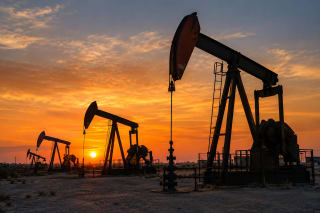
The memo does little to change the near-term oil balance, which is still driven by the Iran conflict. Brent closed around $113 on Thursday, its highest since early May, after reports that the US and Israel have drawn up plans for renewed strikes on Iran after the midterms. That geopolitical risk premium outweighs any supply response the Defense Production Act can deliver in the coming weeks. The measure is more relevant for refining margins and US refiners: federal financial support for capacity could, over time, ease tight diesel and gasoline cracks that have pushed pump prices above what crude alone implies. Traders are also likely to watch for further pre-election steps aimed at fuel costs, which could add headline volatility to US product futures even if their physical impact is limited.
—
With fuel costs at record seasonal highs and the midterms less than two weeks away, the White House is again using a Korean War-era law to boost oil supply, though any relief at the pump will take longer than the campaign.
Summary:
President Trump signed a memo determining that domestic petroleum production, refining and related activities are essential to national defense.
The memo invokes Section 303 of the Defense Production Act, which allows federal financial support, purchases and purchase commitments to expand capacity.
It builds on an April determination covering petroleum and recent steps, including a Defense Production Act-backed expansion of a Delek refinery in Texas.
US gasoline has topped $4 a gallon in October for the first time on record, and diesel has been above $6.
Fuel costs have become a central issue before the November 3 midterm elections, which will decide control of Congress.
Brent crude closed around $113 on Thursday, its highest since May, on reports of planned renewed strikes on Iran.
US President Donald Trump has invoked Section 303 of the Defense Production Act for domestic oil, signing a memo on Thursday that determines petroleum production, refining and related activities are essential to national defense. The move is the White House’s latest attempt to tackle high fuel prices less than two weeks before midterm elections that will decide control of Congress.
Section 303 lets the federal government support industrial capacity it considers vital to national defense through purchases, purchase commitments and other financial support. Full details of Thursday’s memo were not immediately available. It follows a similar determination in April covering domestic petroleum production, refining and logistics, which waived some procedural requirements and directed the Department of Energy to use those financial tools to expand capacity.
The administration has stepped up its use of the Korean War-era law in recent weeks. Vice President JD Vance announced at a campaign stop in Texas last week that the Defense Production Act would be used to expand a Delek refinery in Tyler, though neither the White House nor the company detailed the funding or the added capacity. Reuters reported earlier this month that Trump planned to direct department heads to find ways to control diesel prices before the November 3 vote, including by using the law and bypassing state and local rules that restrict energy production. Energy Secretary Chris Wright has said the administration is looking to reopen as many refineries as possible.
The political pressure is clear. Gasoline averaged around $3 a gallon when Trump returned to office on a promise to lower the cost of living. Average US gasoline prices have since exceeded $4 a gallon in October for the first time on record, and diesel has traded above $6. The US Energy Information Administration put September’s average retail prices at about $4.35 for gasoline and about $6.30 for diesel, citing higher crude costs and wider refining margins. Heating oil prices in September’s consumer price data were up more than 70% from a year earlier, just as households prepare for winter.
The main driver of those costs remains the war with Iran and disruption to Gulf energy supplies. Brent crude jumped around 4% on Thursday to settle near $113 a barrel, its highest level since early May. The move followed a New York Times report that US and Israeli military planners have prepared for renewed strikes on Iran after the midterms. Trump told reporters that the US is not negotiating with Iran and that something would happen fairly soon.
That leaves the administration with limited room to bring prices down quickly. Expanding or restarting refineries takes months or longer, so the Defense Production Act measures address long-term capacity rather than the price voters will see at the pump on election day. The EIA expects retail gasoline prices to stay broadly steady in October before easing slowly in line with crude, a path that depends heavily on how the conflict with Iran develops over the coming weeks.
This article was written by Eamonn Sheridan at investinglive.com.