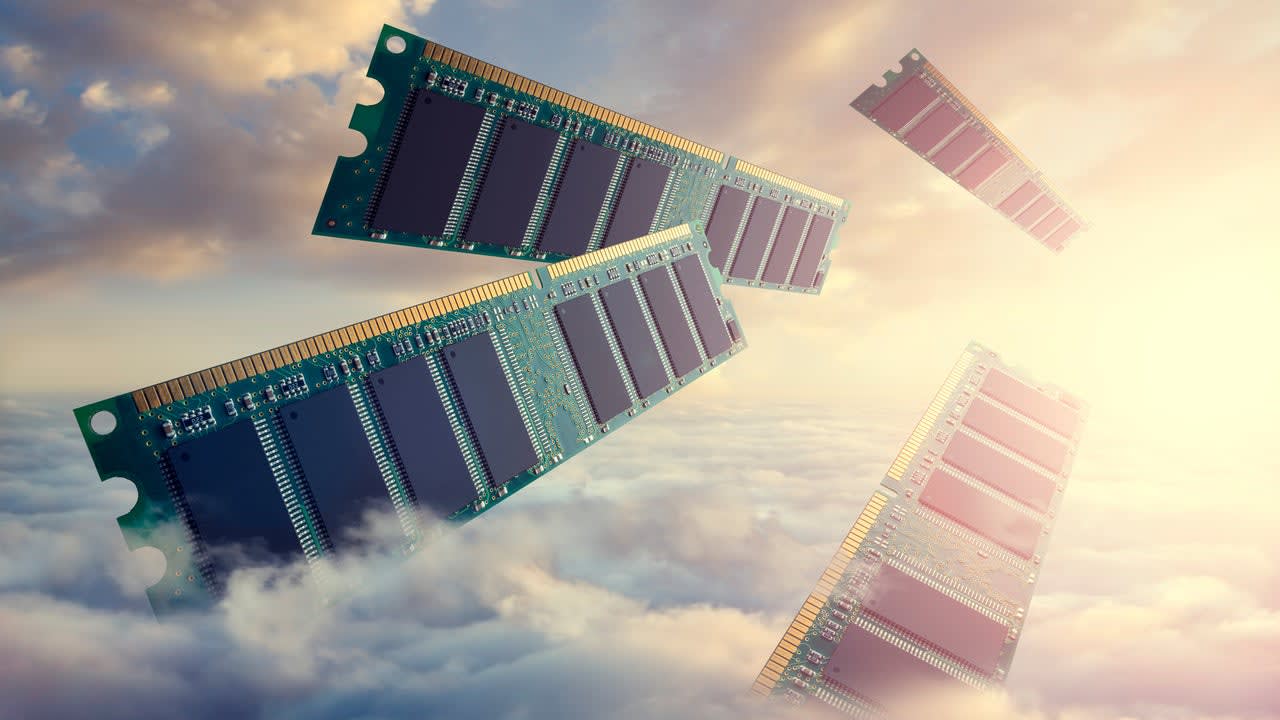

Unless you happen to live with a software engineer or avid gamer, you may not be aware of the current shortage in computer RAM —which your resident computer expert may be calling RAMageddon or the RAMpocalypse .
The RAM shortage is a familiar story if you’ve ever dealt with capitalism. The demand for memory, specifically dynamic random access memory (DRAM), has increased dramatically because of the rise of AI data centers. AI companies have been buying up the global supply of these memory chips in anticipation of creating future networks. Unfortunately, the computer chip industry has not been able to scale up its supply, in part because of bottlenecks around certain specialized components that aren’t widely manufactured .
The upshot is that computer memory chip prices have skyrocketed . Memory chips are now sold “ like lobsters in a restaurant ,” in that the prices are so volatile, they change from day to day.
For most of us, this feels more like an academic concern than a problem that deserves to be called an apocalypse. Unless you are constructing your own personal computer or you’re a gamer who can no longer afford the latest gaming console , the high price of RAM seems pretty unrelated to your life.
But when the cost of memory chips increases as much as fivefold in a short time, the downstream effects don’t remain localized to one industry. Here’s how surging RAM prices may affect your life.
Memory, memory everywhere
If this RAM shortage had occurred 30 years ago, the fallout would have almost exclusively affected personal computing and gaming. But the past three decades have seen the addition of computing power to everything from phones to stoves to tractors to litter boxes . And yes, each one of those “smart” devices needs RAM to work.
The added cost of memory is already affecting the industries you might expect, starting with desktop PCs , laptops , and now phones . It’s now nearly impossible to find an affordable, entry-level version of these tech necessities.
But that’s hardly the end of the price increase. Prices for tablets , smart devices , smart TVs , and even cars have all gone up recently because of the high cost of RAM. Industry experts anticipate similar price hikes for wearable devices and WiFi routers .
To avoid price hikes, some companies have delayed the launch of highly-anticipated products. Most notably, Sony has delayed the PlayStation 6 to 2028 or later .
With this long list of affected products, even the most tech-averse consumer will start to see the effects of the RAM shortage—possibly as early as this year’s holiday season, considering how commonly tech products appear on gift lists.
The cybersecurity situation
In addition to the economic fallout, the RAM shortage may also affect cybersecurity. According to an August report from J.P. Morgan Global Research , there are some critical vulnerabilities in the cybersecurity infrastructure that could be exacerbated by this memory shortage.
Artificial intelligence data centers are consuming the majority of the available memory, which leaves the manufacturers of security hardware, firewalls, secure routers, and other cybersecurity needs with limited options and higher costs. That may lead to delayed upgrades and other important maintenance of cybersecurity infrastructure.
As things stand, our national cybersecurity is not necessarily more vulnerable to attack than usual. But the J.P. Morgan report points out that a “nationwide cyberattack in the U.S. would unleash an estimated $145 billion in additional chip demand on a market already operating at full capacity.”
Such a potential vulnerability should be enough to worry everyone, since it could theoretically increase prices for any sector that relies on cybersecurity—which is basically all of them .
Surviving the RAMpocalypse
Industry experts expect the RAM shortage to last for at least another two years —and possibly continue into 2030 . Since the average consumer can’t control global RAM production or AI data center memory usage, it may seem there’s little you can do about the shortage. But there are several strategies you may want to consider to protect yourself from RAMageddon, including:
Reduce your RAM usage: Rather than upgrading your PC or laptop, try making the most of the RAM you already have. PCWorld recommends cutting down on background applications, which includes shutting down automated backup tools, chat apps, organizers, widgets, and the like.
Plan your next tech purchase: Need to buy a laptop, graphics card, phone, or device? TechRadar suggests making your purchase sooner rather than later, since RAM prices are not projected to go down anytime soon. It may be worthwhile to wait for Black Friday sales, but if you need to replace or upgrade any tech, start making plans to purchase it soon.
Reduce your AI usage: If consumers cut back on their AI usage, our collective action will push back on the current campaign to make this technology the center of our lives. Even if you already avoid AI wherever you can, here’s how to turn off the automatic AI in your search engines, internet browsers, and email accounts. Remember, this industry isn’t profitable yet , but it’s making other products much more expensive. Reducing your usage will help the AI industry set its expectations more reasonably—and maybe stop hogging all the memory.
RAM, bam, thank you ma’am
The cost of computer memory chips may seem much less urgent than the cost of fuel or food. But the global RAM shortage will have long-reaching implications in more industries than just computers and game consoles.
Any kind of smart technology, from tablets to wearable devices to appliances, will likely see a price hike because of the high cost of RAM. This could affect the 2026 holiday shopping season, considering how common tech gifts have become.
But there may be additional costs, considering the importance of RAM to our cybersecurity infrastructure. The continued high cost of memory could increase the vulnerabilities in cybersecurity since needed upgrades and other maintenance tasks may be delayed.
The average consumer is not helpless in the face of this RAM shortage, however. Reducing your RAM usage to get more life out of your devices and planning your next tech purchase for the near future can help protect you from the financial fallout of the shortage, while cutting back on your AI usage may help the industry set more reasonable expectations.