The US dollar has
been supported recently despite a dovish repricing triggered by Fed’s Williams
and Fed’s Jefferson comments that pushed back against expectations of a rate
hike in October.
The main reason were
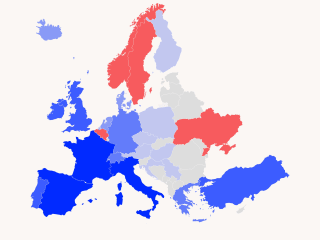
risk-off flows into the greenback due to European debt concerns. The focus has
been particularly on France, where political uncertainty and concerns over the
country’s large fiscal deficit have recently pushed French government bond
yields higher and widened the spread over German Bunds to its highest level
since the eurozone debt crisis.
A stabilization in French spreads could allow some of the euro’s risk
premium to unwind and trigger a pullback in the US dollar, while further
widening and contagion to other countries would likely keep the greenback
supported.
Moreover, the US-Iran negotiations continue to be at a stalemate but at
least Trump ruled out new strikes before the November elections last week. This
week, we also have the US CPI report on the agenda, which could trigger big
moves in the markets.
A hotter than expected core CPI could bring a
rate hike in October back on the table and give the US dollar a boost. A soft
report, on the other hand, will likely weigh on the greenback in the short-term
on a fall in Treasury yields.
On the EUR side, the
probabilities of an ECB rate hike in October have faded following the sharp
widening in the French-German bond spread, as policymakers are likely to remain
cautious about adding further pressure to already fragile financial markets.
However, markets still
expect the ECB to raise rates in December, reflecting persistent inflationary
pressures due to higher energy prices. In terms of economic data, the latest
Eurozone CPI showed headline inflation surging to 3.8% in September from 3.2%
in August, largely due to higher energy prices. Core inflation remained
relatively contained, edging up to 2.5% from 2.4%.
Looking ahead, energy
prices and developments in the Middle East will remain important drivers of the
inflation outlook. Any sustained decline in energy prices could reduce
near-term inflation pressure and give the ECB more room to delay further
tightening. This would also be positive for the euro on improved risk sentiment
and lower Fed rate hike expectations.
The euro will also remain
sensitive to developments in the bond market, particularly the French-German
spread. France’s government has proposed a 2027 budget targeting a deficit of
5.0% of GDP, supported by spending restraint and higher tax revenues. This is
lower than the previously 5.4% and helped ease market concerns somewhat. However,
the plan still faces parliamentary hurdles, and Eurozone finance ministers and
the ECB have urged France to pass a credible budget to restore market
confidence.
Traders will keep a close
eye on France where improvements would be positive for the euro, while negative
outcomes will likely continue to weigh on the single currency.
EURUSD TECHNICAL
ANALYSIS – DAILY TIMEFRAME
On the daily chart, we can
see that EURUSD has been selling off heavily
in the past weeks on France’s debt woes. The nearest key support is around the
1.1067 level. If the price gets there, we can expect the buyers to step in,
with a defined risk below the level, to position for a recovery into the major
downward trendline. The sellers, on the other hand, will want to see the price
breaking lower to increase the bearish bets into the 1.08 handle next.
EURUSD TECHNICAL
ANALYSIS – 4 HOUR TIMEFRAME
On the 4 hour chart, we
have a downward trendline defining the selloff since early September. The sellers
will likely continue to lean on the trendline, with a defined risk above it, to
keep pushing into new lows. The buyers, on the other hand, will look for a
break to start positioning into the major downward trendline, with the 1.1285
level as the first target.
EURUSD TECHNICAL ANALYSIS –
1 HOUR TIMEFRAME
On the 1 hour chart, we can
see that the pair has been bottoming out since the French proposed budget
deficit for 2027 got lowered to 5.0% from 5.4%. We have a support zone around
the 1.1160 level. The buyers will likely continue to step in around the
support, with a defined risk below it, to keep targeting a break above the trendline
and new highs. The sellers, on the other hand, will want to see the price breaking
lower to increase the bearish bets into new lows. The red lines define the average daily range for today.
UPCOMING CATALYSTS
On
Wednesday we have the US CPI report. On Thursday, we get the US PPI, the US
Retail Sales and the latest US Jobless Claims figures.
This article was written by Giuseppe Dellamotta at investinglive.com.