The early dip is modest, which suggests traders see the Russia waiver as a supply cushion rather than a game-changer while Hormuz risk remains live. Diesel is the product to watch: any sign that Russian product exports are rising would ease pressure on middle distillate cracks, which have carried much of the tightness from refinery attacks. Against that, a confirmed mine strike in Hormuz would revive the shipping-risk premium quickly, and war-risk insurance and freight costs could rise further. A Pakistani diplomatic visit to Tehran offers a faint de-escalation thread, but the market is likely to treat it cautiously until there is substance. Expect headline-driven, two-way trade.
—
Earlier:
Euro slides against Australian dollar as three European headwinds hit early trade
—
Trump has chosen to keep Russian barrels flowing to keep Moscow talking, and for now that is enough to outweigh the latest flash point in the Strait of Hormuz.
Summary:
Oil prices are slightly lower as futures reopen for the week
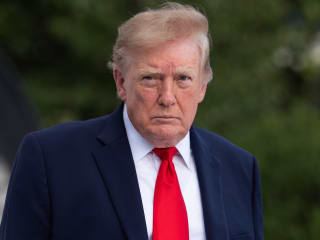
Trump signed an executive order waiving Graham Act sanctions and tariffs on Russian energy, drawing bipartisan criticism
He said on Truth Social the move aims to keep Russia in Ukraine peace talks, citing progress including on hostages, and Russia’s limited help to Iran
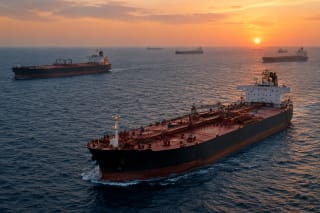
Iran’s IRGC navy said a tanker exploded after hitting a naval mine in the southern Strait of Hormuz, per Iranian media
Pakistan’s army chief may visit Tehran this week, ISNA reported
Equity and bond futures are mildly firmer; the euro lags on unrest in France and other euro area cities
Oil prices edged slightly lower as futures reopened for the week, with US President Donald Trump’s decision to waive sanctions and tariffs on Russian energy outweighing a weekend report of a tanker explosion in the Strait of Hormuz.
Trump signed an executive order waiving Graham Act sanctions and tariffs targeting Russian energy exports, a move that drew criticism from both parties in Washington. The waiver raises the prospect of more Russian fuel reaching world markets, the main reason crude traded softer in early Asian dealing.
In a post on Truth Social, Trump said the decision was intended to avoid pushing Moscow away from talks on ending the war in Ukraine, saying significant progress was being made, including on hostage negotiations, and adding that signing the measure now would risk that outcome while he could do so later. He also argued that Russia was offering Iran far less help than it could, and that he wanted to keep it that way. Trump said Ukrainian strikes on Russian diesel refineries were hurting global diesel markets, including in the US, while Russia continued to ship large volumes of cheap diesel. He also sharply criticised Ukrainian President Volodymyr Zelenskyy, accusing him of not wanting the war to end.
The energy angle is central for oil markets. Diesel supply has been strained by attacks on Russian refining capacity, and any easing of restrictions on Russian product exports would add barrels to a tight market at a time when the US war with Iran is already disrupting Gulf flows.
That disruption was underlined on Sunday, when Iran’s Islamic Revolutionary Guard Corps navy said an oil tanker caught fire and exploded after hitting a naval mine in the southern part of the Strait of Hormuz, according to Iranian media. Details of the vessel and any casualties were not immediately available, and the claim could not be independently verified.
A possible diplomatic thread also emerged, with Iran’s ISNA news agency reporting that Pakistan’s army chief, Asim Munir, may visit Tehran this week.
Elsewhere, equity and bond futures were mildly firmer, while the euro lagged amid widespread unrest in France and other major euro area cities.
For oil, the near-term balance hinges on whether the Russia waiver translates into meaningfully higher fuel exports, and whether Hormuz shipping risk escalates further.
This article was written by Eamonn Sheridan at investinglive.com.