A $141 million lawsuit between DWF Labs subsidiaries and BitGo centers on an alleged breach of token-sale restrictions: DWF Maas and Falcon Digital claim the cryptocurrency custodian sold discounted FF and ESPORTS tokens before their three-month lock-ups ended. The DWF Labs–BitGo lawsuit links those alleged early sales to falling token prices and claimed financial losses.
Key takeaways
DWF Maas and Falcon Digital brought the case in London’s High Court.
DWF alleges tokens reached exchanges roughly two months before the first unlock.
The subsidiaries seek $114 million for claimed direct losses.
According to CoinDesk, the two investment subsidiaries of market maker DWF Labs agreed to sell the tokens to BitGo at a discount, conditional on a three-month lock-up . DWF Maas is based in the British Virgin Islands, while Falcon Digital is based in Panama.
The contract terms behind the DWF Labs–BitGo lawsuit
The subsidiaries allege BitGo breached its contracts by selling Falcon Finance’s FF tokens and ESPORTS tokens before the agreed restrictions expired. Their claim rests on the discount being tied to keeping those assets locked.
DWF said the tokens moved to exchanges roughly two months before the first unlock , according to the Financial Times report cited in the coverage. DWF also said it raised the issue with BitGo in April and May and pursued court action after receiving no undertaking.
Token declines underpin the damages claim
DWF seeks $114 million in damages , alleging that BitGo’s sales caused direct losses by driving down both tokens’ prices. The reported $141 million lawsuit amount and the stated damages demand are separate figures in the coverage.
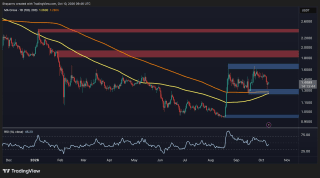
The report places FF at 8 cents in early March , when its lock-up began, and around 7 cents by late April. Between mid-March and early June, ESPORTS fell from roughly 28 cents to just 7 cents. The subsidiaries attribute these declines to the alleged premature sales.
Regulatory scrutiny surrounding DWF’s investment history
Among DWF’s past investments is a $25 million purchase of WLFI made in 2025, WLFI being the native token of World Liberty Financial , a cryptocurrency venture backed by President Donald Trump and his family.
According to the report, that investment raised alarm among certain Washington, D.C. lawmakers because of purported ties between DWF founder Andrei Grachev and Russia. From 2018 to 2019, Grachev headed Huobi’s Russian division, and the report notes that Huobi has been sanctioned in several jurisdictions for assisting Russia in circumventing Western sanctions.
Requests for comment on the lawsuit sent to both DWF and BitGo went unanswered right away.
Article produced with the assistance of artificial intelligence and reviewed by the editorial team.